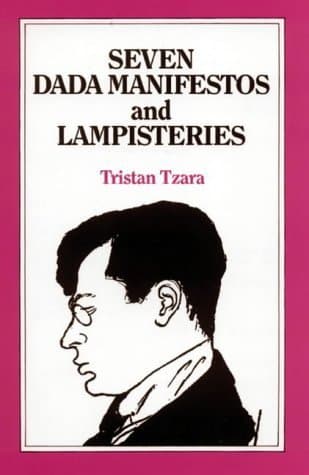
Seven Dada Manifestos and Lampisteries
About this book
Tristan Tzara—poet, literary iconoclast, and catalyst—was the founder of the Dada movement that began in Zürich during World War I. His ideas were inspired by his contempt for the bourgeois values and traditional attitudes towards art that existed at the time. This volume contains the famous manifestos that first appeared between 1916 and 1921 that would become the basic texts upon which Dada was based. For Tzara, art was both deadly serious and a game. The playfulness of Dada is evident in the manifestos, both in Tzara's polemic—which often uses dadaist typography—as well as in the delightful doodles and drawings contributed by Francis Picabia. Also included are Tzara's Lampisteries , a series of articles that throw light on the various art forms contemporary to his own work. Post-war art had grown weary of the old certainties and the carnage they caused. Tzara was on the cutting edge at a time when art was becoming more subjective and abstract, and beginning to reject the reality of the mind for that of the senses.
Where to buy
No purchase options available at this time.
More by Tristan Tzara
I Am a Beautiful Monster: Poetry, Prose, and Provocation
Francis Picabia
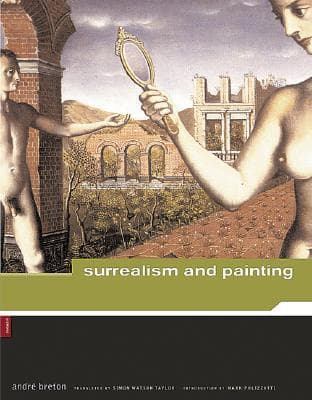
Surrealism and Painting
Joan Miró, Pablo Picasso, René Magritte, André Breton, Salvador Dalí, Max Ernst, Marcel Duchamp, Francis Picabia, André Masson, Yves Tanguy
111 cele mai frumoase poezii de dragoste din literatura română
Ana Blandiana, Marius Chivu, Adela Greceanu, Mircea Cărtărescu, Marin Sorescu, Lucian Blaga, Nina Cassian, Gellu Naum, Tristan Tzara, Cezar Baltag, Dan Sociu, Ion Caraion, Marin Mălaicu-Hondrari, Leonid Dimov, Mircea Ivănescu, Şerban Foarţă, Magda Isanos, Maria Banuș, Ioana Nicolaie, Mihai Eminescu, Ilarie Voronca, Virgil Mazilescu, Cezar Ivănescu, Petre Stoica, Ion Minulescu, Mariana Marin, Tudor Arghezi, Ion Pillat, Ruxandra Cesereanu, Vasile Voiculescu, Mihai Ursachi, Nora Iuga, Miron Radu Paraschivescu, Anton Pann, Mircea Dinescu, T.O. Bobe, Geo Dumitrescu, Romulus Bucur, Gabriela Melinescu, Geo Bogza, Grigore Alexandrescu, Elena Farago, Elena Văcărescu, Dimitrie Anghel, Iustin Panţa, Cristian Popescu, Ion Vinea, Virgil Teodorescu, Constant Tonegaru, Dan Stanciu, Emil Brumaru, Bogdan Iancu, Florin Iaru, Traian T. Coşovei, Octavian Soviany, Ion Mureşan, Dan Coman, Nichita Stănescu, Radu Cosașu, Ioan Es. Pop, Constanţa Buzea, Mariana Codruț, Vsevolod Ciornei, Iulian Tănase, Miruna Vlada, Radu Cârneci, Petru Creţia, Mihail Gălăţanu, Florin Mugur, Ştefan Manasia, Alexandru Vlad, Claudiu Komartin, Svetlana Cârstean, Alexandru Mușina, Domnica Drumea, Floarea Tutuianu, Radu Vancu, Ana Dragu, Emilian Galaicu-Păun, Teodor Dună, Daniel Bănulescu, Lucian Vasilescu, Angela Marinescu, Radu Stanca, Ionel Ciupureanu, Andra Rotaru, Liviu Ioan Stoiciu, Nicolae Coande, Bogdan O. Popescu, Aurel Dumitraşcu, Viorel Mureşan, Eugen Cioclea, Vintilă Ivănceanu, Vasile Vlad, T.S. Khasis, Letiția Ilea, Costache Conachi, Adrian Maniu, Gheorghe Azap, Ion Monoran, D. Iacobescu, Ștefan Aug. Doinaș, Ienăchiţă Văcărescu, Alecu Văcărescu, Nicolae Văcărescu, O. Nimigean, M. Blecher, G. Bacovia, B. Fundoianu, Alfred Moșoiu, Ștefan Roll, C.A. Rosetti, Theodor Șerbănescu
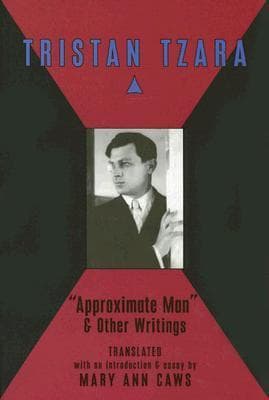
Approximate Man and Other Writings
Mary Ann Caws, Tristan Tzara