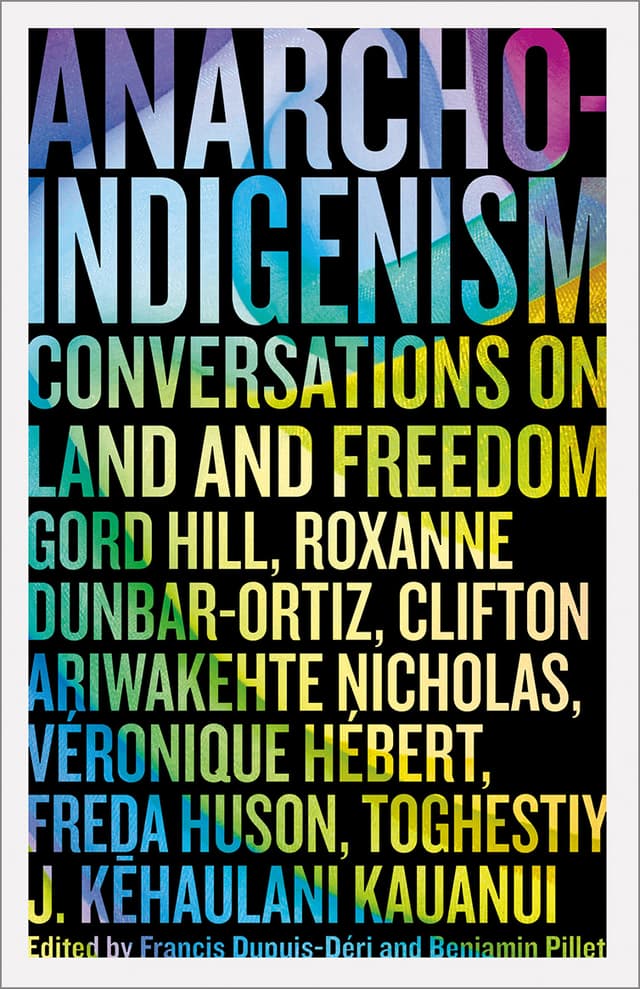
Anarcho-Indigenism: Conversations on Land and Freedom
by Gord Hill, Roxanne Dunbar-Ortiz, Francis Dupuis-Déri, J. Kēhaulani Kauanui, Véronique Hébert, Freda Huson, Clifton Ariwakehte Nicholas
About this book
As early as the end of the 19th century, anarchists such as Peter Kropotkin and Élisée Reclus became interested in indigenous peoples, many of whom they saw as societies without a state or private property, living a form of communism. Thinkers such as David Graeber and John Holloway have continued this tradition of engagement with the practices of indigenous societies and their politics. There has also been a long history of (often imperfect) collaboration between anarchists and indigenous activists, over land rights and environmental issues, including recent high-profile anti-pipeline campaigns. Anarcho-Indigenism is a dialogue between anarchism and indigenous politics. In their interviews, contributors Roxanne Dunbar-Ortiz, Véronique Hébert, Gord Hill, Freda Huson, J. Kehaulani Kauanui, Clifton Ariwakehte Nicholas, and Toghestiy reveal what indigenous thought and traditions and anarchism have in common, without denying the scars left by colonialism even within this anti-authoritarian movement. They ultimately offer a vision of the world that combines anti-colonialism, feminism, ecology, anti-capitalism, and anti-statism.
Where to buy
No purchase options available at this time.
More by Gord Hill
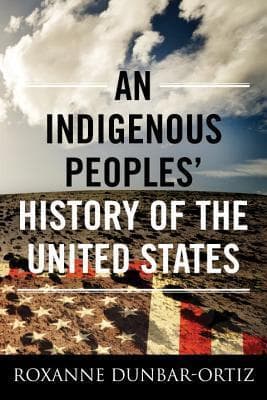
An Indigenous Peoples' History of the United States
Roxanne Dunbar-Ortiz
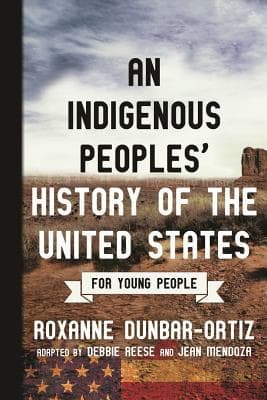
An Indigenous Peoples' History of the United States for Young People
Roxanne Dunbar-Ortiz, Jean Mendoza, Debbie Reese
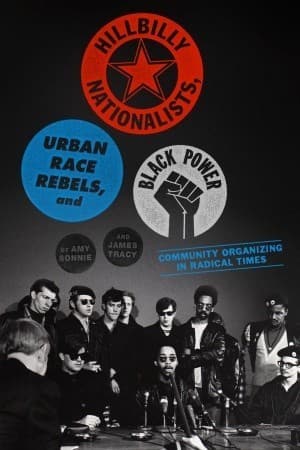
Hillbilly Nationalists, Urban Race Rebels, and Black Power: Community Organizing in Radical Times
Roxanne Dunbar-Ortiz, James Tracy, Amy Sonnie

Loaded: A Disarming History of the Second Amendment
Roxanne Dunbar-Ortiz