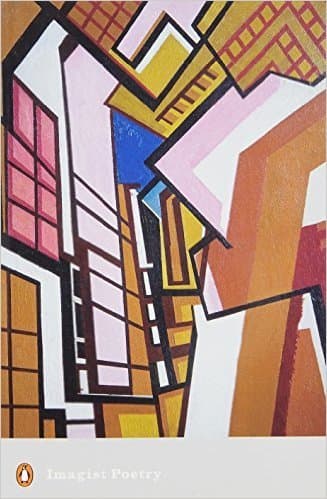
About this book
Imagism was a brief, complex yet influential poetic movement of the early 1900s, a time of reaction against late nineteenth-century poetry which Ezra Pound, one of the key imagist poets, described as ‘a doughy mess of third-hand Keats, Wordsworth … half-melted, lumpy’. In contrast, imagist poetry, although riddled with conflicting definitions, was broadly characterized by brevity, precision, purity of texture and concentration of meaning: as Pound stated, it should ‘use no superfluous word, no adjective, which does not reveal something … it does not use images as ornaments. The image itself is the speech’. It was this freshness and directness of approach which means that, as Peter Jones says in his invaluable Introduction, ‘imagistic ideas still lie at the centre of our poetic practice’.This anthology traces the complicated evolution of imagism through its poetry from "the pre-imagists" and the "period of the anthologies (1914-17)" to "the imagists after imagism".
Where to buy
No purchase options available at this time.
More by James Joyce
Poems of the Great War 1914-1918
Thomas Hardy, Ford Madox Ford, Robert Graves, Edward Thomas, Rupert Brooke, Edmund Blunden, Herbert Read, Frederic Manning, Richard Aldington, Wilfred Owen, Isaac Rosenberg, Edgell Rickword, Ivor Gurney, Margaret Cole, Charlotte Mew, John McCrae, Charles Hamilton Sorley, Alice Meynell, F.S. Flint, May Wedderburn Cannan, Siegried Sassoon
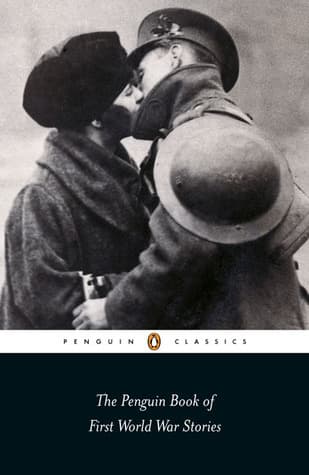
The Penguin Book of First World War Stories
W. Somerset Maugham, Julian Barnes, Arthur Conan Doyle, Rudyard Kipling, Joseph Conrad, D.H. Lawrence, Robert Graves, Katherine Mansfield, Anne Perry, Muriel Spark, Radclyffe Hall, Arthur Machen, Richard Aldington, Stacy Aumonier, John Buchan, John Galsworthy, Hugh Walpole, Robert Grossmith, Sapper, Mary Borden, Winifred Holtby, C.E. Montague, Harold Brighouse, Barbara Korte, A.W. Wells
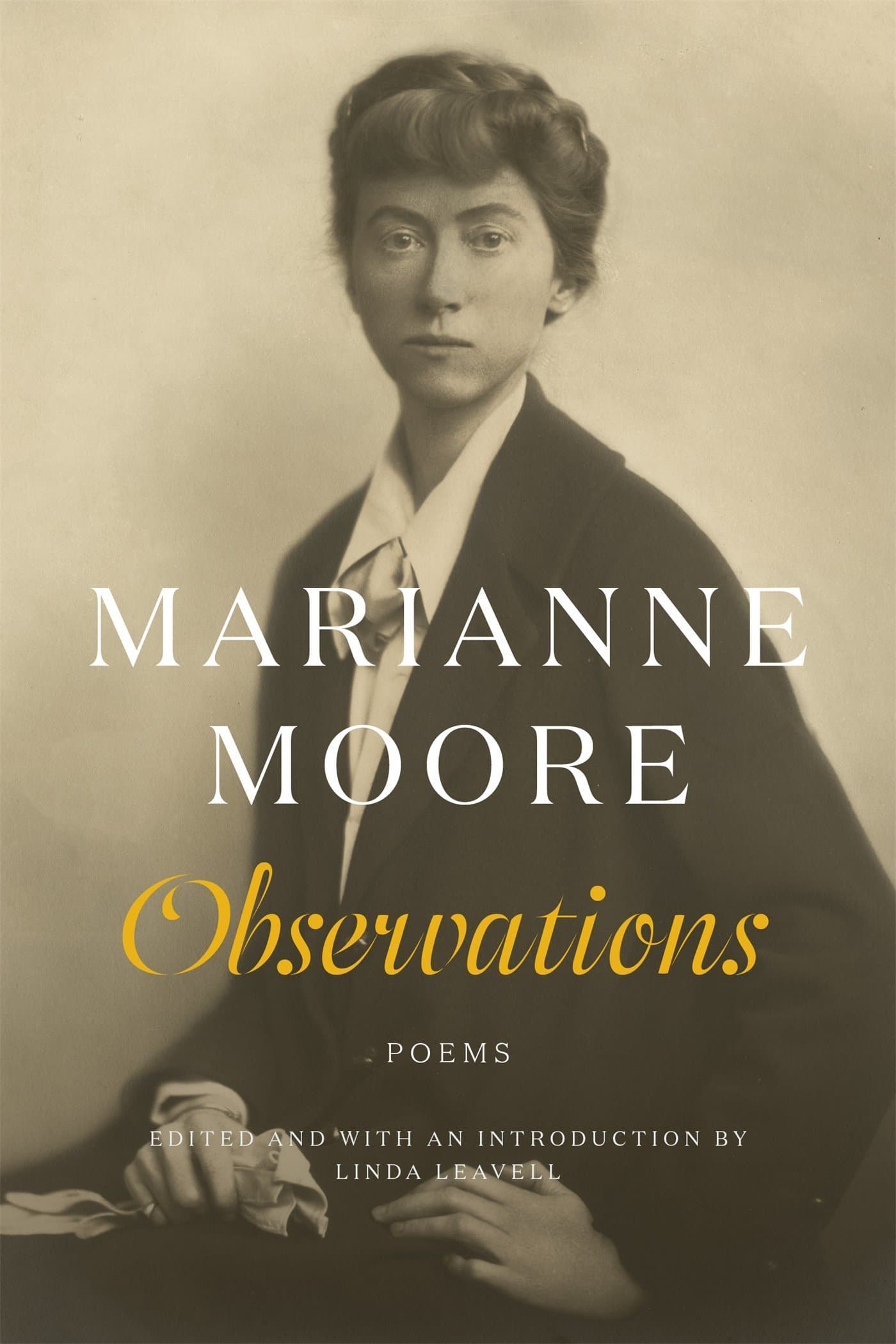
Observations
Marianne Moore
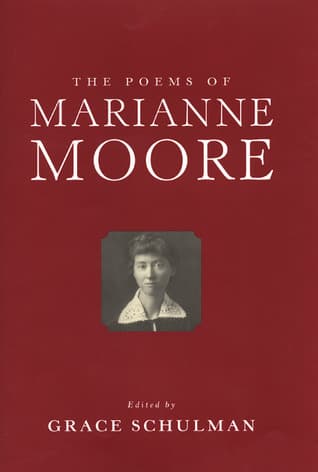
The Poems of Marianne Moore
Marianne Moore