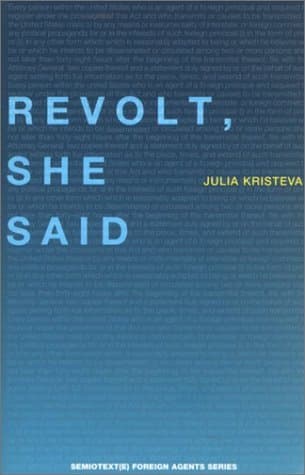
Revolt, She Said
About this book
Julia Kristeva extends the definition of revolt beyond politics per se. May '68 in France expressed a fundamental version of not freedom to succeed, but freedom to revolt. Political revolutions ultimately betray revolt because they cease to question themselves. Revolt, as I understand it—psychic revolt, analytic revolt, artistic revolt—refers to a permanent state of questioning, of transformations, an endless probing of appearances. In this book, Julia Kristeva extends the definition of revolt beyond politics per se. Kristeva sees revolt as a state of permanent questioning and transformation, of change that characterizes psychic life and, in the best cases, art. For her, revolt is not simply about rejection and destruction—it is a necessary process of renewal and regeneration.
Where to buy
No purchase options available at this time.
More by Philippe Petit

Wait Wait... Don't Tell Me! Famous People Who Returned Our Calls: Celebrity Highlights from the Oddly Informative News Quiz
Michael Pollan, Roy Blount Jr., Stephen Colbert, Leonard Nimoy, Paula Poundstone, Drew Carey, Paula H. Deen, Tom Bodett, Adam Felber, Carrie Fisher, Moby, Charles P. Pierce, Philippe Petit, David Axelrod, Peter Sagal, Mo Rocca, Jane Curtin, Alison Stewart, Neil Patrick Harris, Denis Leary, Amy Dickinson, Carl Kasell, Paul Provenza, Roxanne Roberts, Mavis Staples, Kyrie O'Connor, Korva Coleman
Czarne słońce: depresja i melancholia
Julia Kristeva
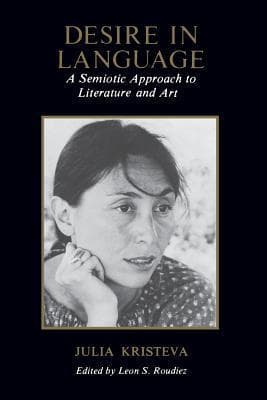
Desire in Language: A Semiotic Approach to Literature and Art
Julia Kristeva
Güzel Sanatların Bir Dalı Olarak Evlilik
Philippe Sollers, Julia Kristeva