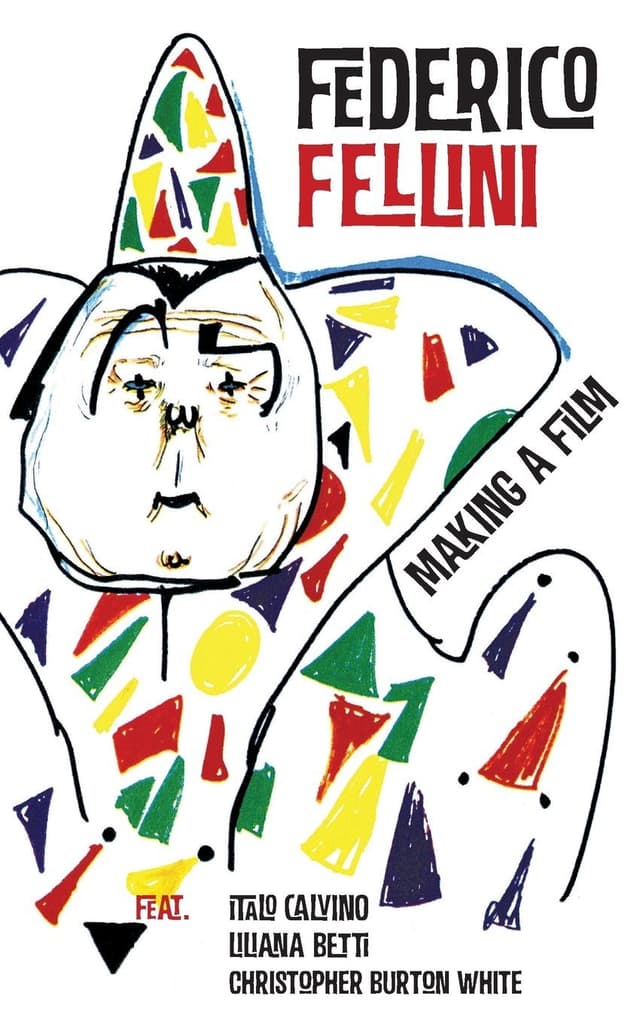
Making a Film
About this book
Italian filmmaker Federico Fellini (1920-1993) is one of the most renowned figures in world cinema. Director of a long list of critically acclaimed motion pictures, including La strada, La dolce vita, 8½, and Amarcord, Fellini's success helped strengthen the international prestige of Italian cinema from the 1950s onward. Often remembered as an eccentric auteur with a vivid imagination and a penchant for quasi-autobiographical works, the carnivalesque, and Rubenesque women, Fellini's inimitable films celebrate the creative potential of cinema as a medium and also provide thought-provoking evocations of various periods in Italian history, from the years of fascism to the age of Silvio Berlusconi's media empire. In Making a Film Fellini discusses his childhood and adolescence in the coastal town of Rimini, the time he spent as a cartoonist, journalist, and screenwriter in Rome, his decisive encounter with Roberto Rossellini, and his own movies, from Variety Lights to Casanova. The director explains the importance of drawing to his creative process, the mysterious ways in which ideas for films arise, his collaborations with his wife, Giulietta Masina, his thoughts on fascism, Jung, and the relationship between cinema and television. Often comic, sometimes tragic, and rife with insightful comments on his craft, Making a Film sheds light on Fellini's life and reveals the motivations behind many of his most fascinating movies. Available for the first time in its entirety in English, this volume contains the complete translation of Fare un film, the authoritative collection of writings edited and reworked by Fellini and initially published by Giulio Einaudi in 1980. The text includes a new translation of the Italo Calvino essay "A Spectator's Autobiography," an introduction by Italian film scholar Christopher B. White, and an afterward by Fellini's longtime friend and collaborator Liliana Betti.
Where to buy
No purchase options available at this time.
More by Italo Calvino
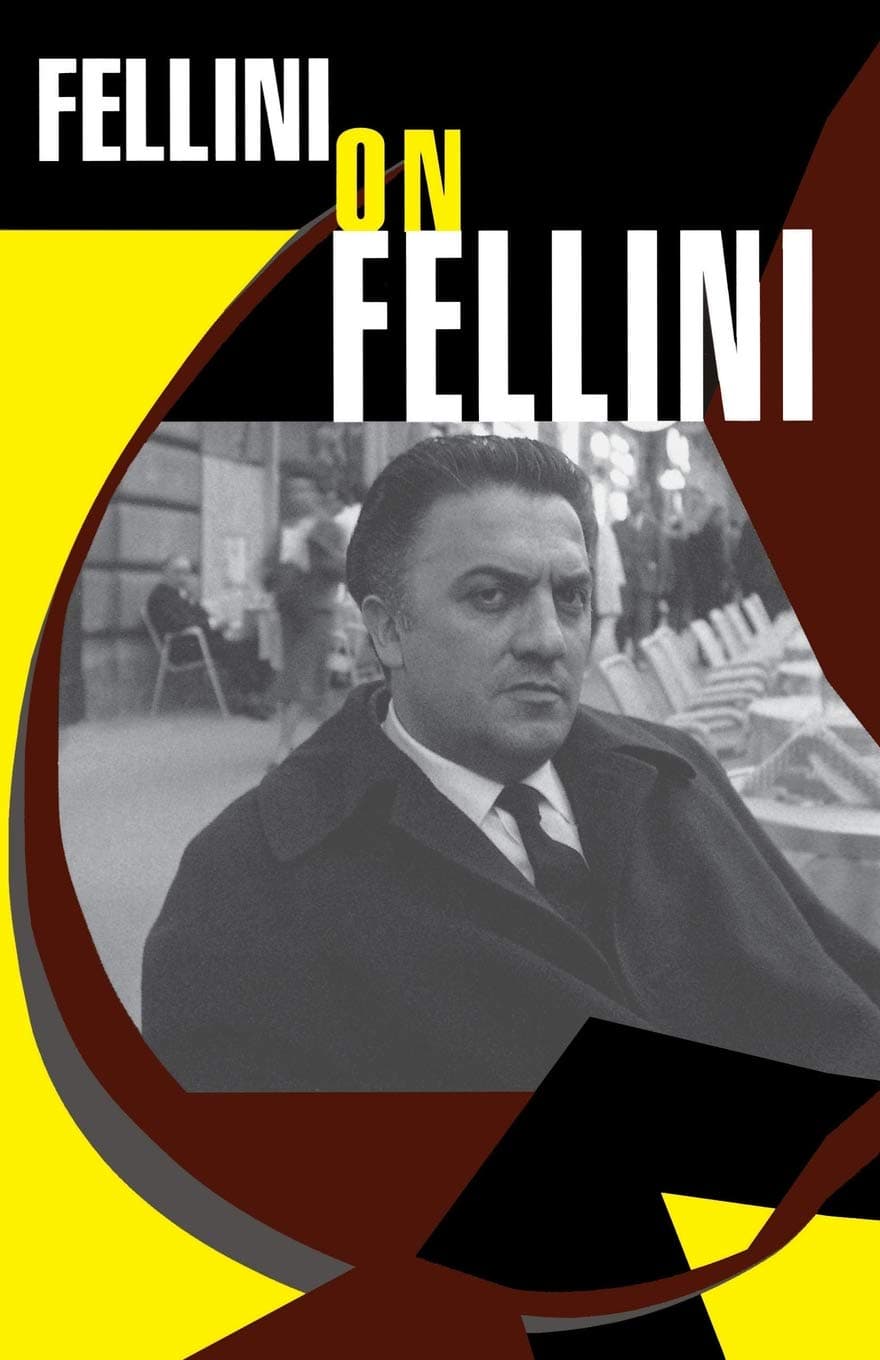
Fellini On Fellini
Federico Fellini
Trip to Tulum: From a Script for a Film Idea
Milo Manara, Federico Fellini
Amore e ginnastica
Italo Calvino, Edmondo de Amicis
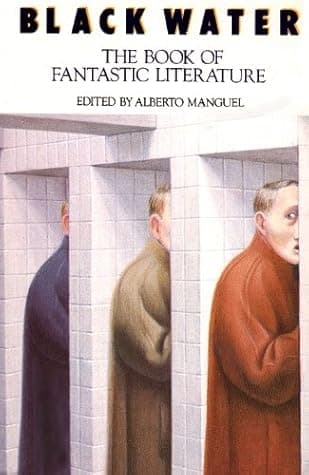
Black Water: The Book of Fantastic Literature
Hermann Hesse, Silvina Ocampo, Jorge Luis Borges, Julio Cortázar, Italo Calvino, Charles Dickens, Graham Greene, Ray Bradbury, Edith Wharton, Saki, Jules Verne, Tennessee Williams, Ryūnosuke Akutagawa, Marguerite Yourcenar, Bruno Schulz, Alberto Manguel, Cynthia Ozick, Max Beerbohm, Hilaire Belloc, Horacio Quiroga, E.M. Forster, L.P. Hartley, Marcel Aymé, M.R. James, Daphne du Maurier, Adolfo Bioy Casares, Francis King, Jean Cocteau, Marco Denevi, Jun'ichirō Tanizaki, David Garnett, Flann O'Brien, Charles Williams, Manuel Mujica Lainez, Alex Comfort, Giovanni Papini, Howard Fast, Brian Moore, João Guimarães Rosa, Léon Bloy, André Pieyre de Mandiargues, George Hitchcock, Pedro Antonio de Alarcón, Virgilio Piñera, Joanne Greenburg, I.A. Ireland, Robert Smythe Hichens, Juan Manuel