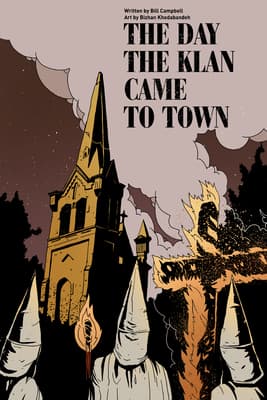
The Day the Klan Came to Town
About this book
The year is 1923. The Ku Klux Klan is at the height of its power in the US as membership swells into the millions and they expand beyond their original southern borders. As they grow, so do their targets. As they continue their campaigns of terror against African Americans, their list now includes Catholics and Jews, southern and eastern Europeans, all in the name of "white supremacy." But they are no longer considered a terrorist organization. By adding the messages of moral decency, family values, and temperance, the Klan has slapped on a thin veneer of respectability and has become a "civic organization," attracting ordinary citizens, law enforcement, and politicians to their particular brand of white, Anglo-Saxon, and Protestant "Americanism."Pennsylvania enthusiastically joined that wave. That was when the Grand Dragon of Pennsylvania decided to display the Klan's newfound power in a show of force. He chose a small town outside of Pittsburgh named after Andrew Carnegie; a small, unassuming borough full of "Catholics and Jews," the perfect place to teach these immigrants "a lesson." Some thirty thousand members of the Klan gathered from as far as Kentucky for "Karnegie Day." After initiating new members, they armed themselves with torches and guns to descend upon the town to show them exactly what Americanism was all about.The Day the Klan Came to Town is a fictionalized retelling of the riot, focusing on a Sicilian immigrant, Primo Salerno. He is not a leader; he's a man with a troubled past. He was pulled from the sulfur mines of Sicily as a teen to fight in the First World War. Afterward, he became the focus of a local fascist and was forced to emigrate to the United States. He doesn't want to fight but feels that he may have no choice. The entire town needs him--and indeed everybody--to make a stand.
Where to buy
No purchase options available at this time.
More by P. Djèlí Clark
Mothership: Tales from Afrofuturism and Beyond
Victor LaValle, Rochita Loenen-Ruiz, Indrapramit Das, Tobias S. Buckell, N.K. Jemisin, Nisi Shawl, Chinelo Onwualu, Tade Thompson, Jaymee Goh, Linda D. Addison, Ernest Hogan, Vandana Singh, Minister Faust, Lauren Beukes, Junot Díaz, Carmen Maria Machado, Sofia Samatar, Anil Menon, Silvia Moreno-Garcia, S.P. Somtow, Daniel José Older, Rabih Alameddine, Joseph Bruchac, Charles R. Saunders, Greg Tate, Eden Robinson, Ibi Zoboi, Carlos Hernandez, George S. Walker, Bill Campbell, Darius James, Farnoosh Moshiri, Kiini Ibura Salaam, Tenea D. Johnson, Lisa Allen-Agostini, Ran Walker, Thaddeus Howze, Katherena Vermette, Kawika Guillermo, Andaiye Reeves, C. Renee Stephens
A Dead Djinn in Cairo
P. Djèlí Clark
A Master of Djinn
P. Djèlí Clark
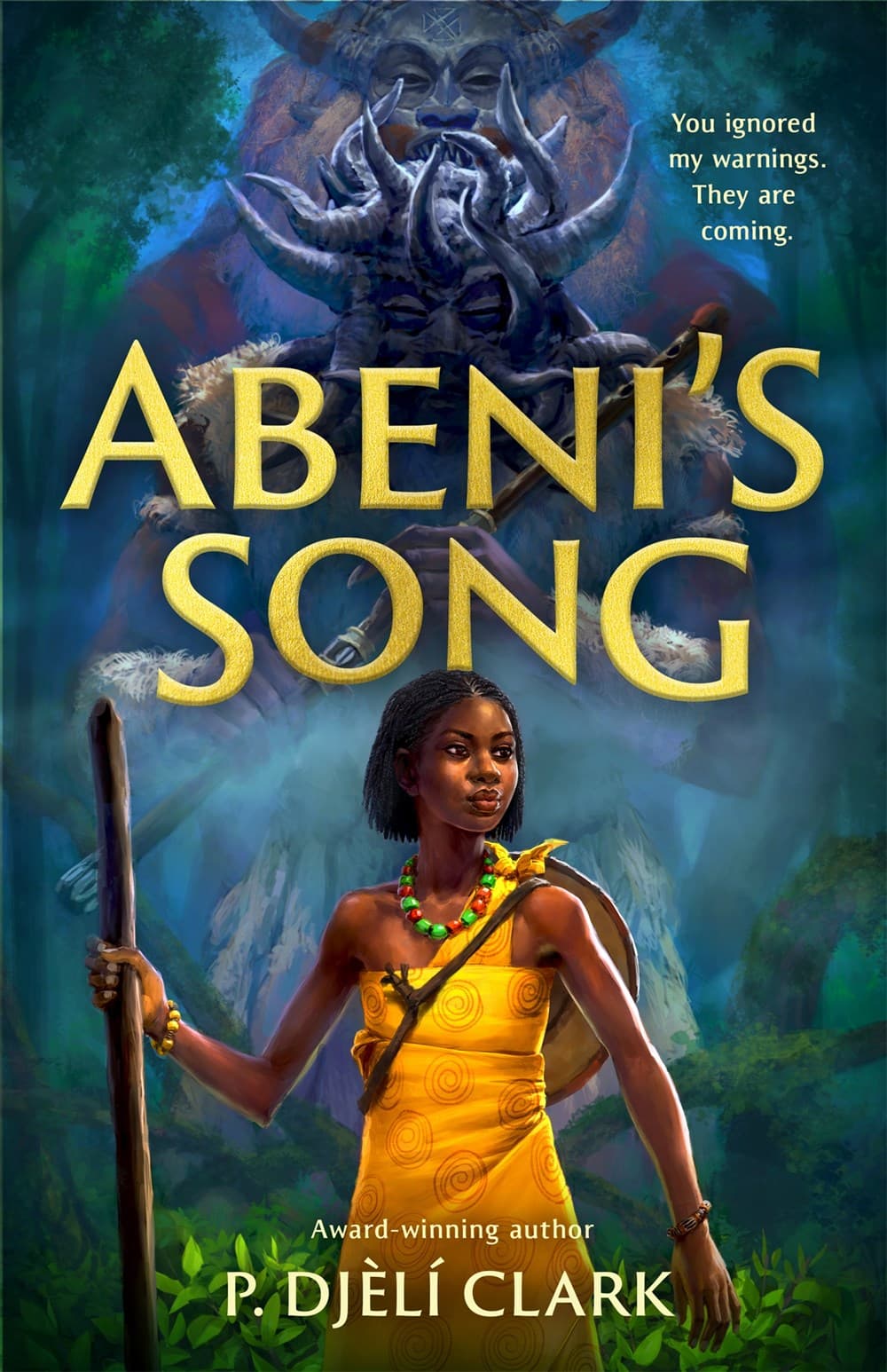
Abeni's Song
P. Djèlí Clark